What Crypto News Actually Moves Prices, and What Doesn't
In This Article
Introduction
Every day brings hundreds of crypto headlines, and almost all of them claim to matter. A few genuinely move prices, sometimes by double digits in a day. Many cause a brief spike that disappears within hours. And some move nothing at all, even when they sound enormous.
Knowing the difference is one of the most useful skills a crypto investor can have. This guide covers the kinds of news that have historically moved crypto prices, the kinds that usually don't, and a few simple questions to ask before you react to any headline.
Why Some News Moves Prices and Some Doesn't
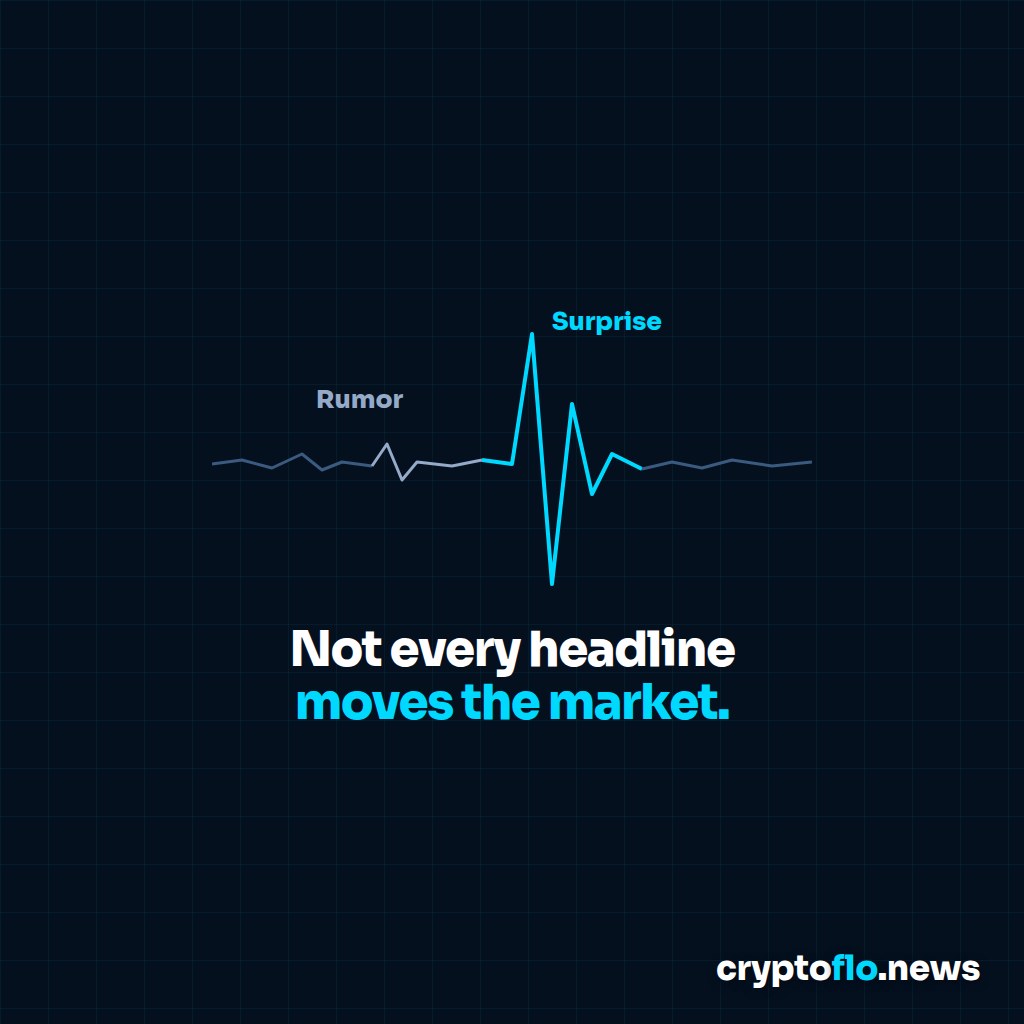
Prices move when news changes what large numbers of buyers and sellers expect, and when it arrives as a surprise. Two ideas explain most of what you'll see:
- Surprise matters more than size. News that was widely expected is usually "priced in" before it happens. A smaller surprise can move the market more than a big, well-known event.
- Leverage amplifies everything. A lot of crypto trading uses borrowed money. When prices move sharply, leveraged positions get closed automatically (liquidated), which pushes prices further in the same direction.
Keep those two in mind and most price reactions start to make sense.
News That Actually Moves Crypto Prices
1. Macro shocks: interest rates, inflation and trade
Crypto now trades much like other risk assets, so big economic news often hits it hard. The clearest example: on October 10, 2025, a threat of an additional 100% tariff on China triggered a sell-off in stocks and crypto. CoinGlass recorded about $19 billion in liquidations in 24 hours, the largest in crypto's history. Bitcoin fell from above $121,000 to below $106,000 the same day, and Ether dropped from around $4,300 to under $3,600, according to CoinGecko data reported by Decrypt.
Interest rate decisions and inflation reports matter too, but mainly when they change what investors expect the Federal Reserve to do next. A rate move that everyone already expected usually causes little reaction. A surprise in the inflation numbers can move prices within minutes.
2. Regulation and court rulings
Legal decisions that change what a token is, or who can buy it, can move prices sharply. On July 13, 2023, a US judge ruled that Ripple's sales of XRP to the public on exchanges weren't securities sales. XRP rose from around $0.50 to a high of about $0.93 that day. Within two months, it had given back essentially all of that gain. That pattern, a huge first reaction followed by a long fade, is common after big regulatory news.
3. Hacks and security failures
Large thefts hit prices quickly, especially when they raise fears about exchanges or the wider market. When the Bybit exchange lost about $1.4 billion to $1.5 billion in Ether in February 2025, Ether fell more than 3% that day, and smaller tokens fell further. Hacks of a specific project usually hit that project's token hardest.
4. Money flowing in or out
Real buying and selling moves prices. Daily flows into and out of spot ETFs, large purchases by corporate treasuries, and big exchange inflows or outflows all show actual money changing hands. These are worth watching because they're measured, not promised.
5. Supply events
Anything that changes how many tokens are available to trade can matter: large token unlocks for early investors, changes to a network's issuance, or big holders moving coins to exchanges. These are usually scheduled, so the important question is whether the market already expected them.
6. Real upgrades and adoption, slowly
Network upgrades, real usage and genuine adoption matter over months and years, but they rarely move prices much on the day they're announced. Their effect builds over time.
News That Usually Doesn't Move Prices for Long
Partnerships that don't involve the token
A company working with a crypto project isn't the same as that company using the token. In April 2024, HBAR more than doubled on news about tokenizing a BlackRock fund on Hedera, then fell back once it became clear BlackRock itself wasn't part of the project. (Our guide to reading crypto project announcements covers how to spot this.)
Fake or unverified news
In January 2024, the SEC's own X account was hacked and used to post a false approval of Bitcoin ETFs. Bitcoin jumped, then dropped as soon as the SEC said the post was fake. Unverified news can move prices for minutes, but rarely for longer. (More in how to spot fake crypto news.)
Big events everyone already expected
When an event is announced well in advance, the market often prices it in before it happens. Evernorth's long-awaited Nasdaq listing as XRPN on October 12, 2026 is a recent example: XRP was roughly flat to lower on the day. (See how Evernorth could affect XRP.) Traders call this "buy the rumor, sell the news."
Price targets with no reasoning
A price target is an analyst's view, not news. From someone who shows their data and reasoning, it's worth weighing, and good analysts are one of the best ways to understand why a price moved. A big round number with no case behind it isn't analysis, and it doesn't tell you anything about what the market will do.
Five Questions to Ask Before You React
1. Is it confirmed? Check the original source: the official account, filing or announcement.
2. Is it a surprise? If everyone expected it, it's probably already in the price.
3. Does it involve the token? Does it change demand for the token, its supply, or how the network works?
4. Is real money moving? Flows and purchases matter more than plans and promises.
5. How much leverage is in the market? In a heavily leveraged market, even modest news can trigger big swings.
Signal Comes From Good Sources
The fastest way to tell what matters is a short list of sources that cover different angles: official channels for confirmation, data sources for flows and on-chain activity, established newsrooms for verified reporting, and analysts who explain their reasoning. Our guide to choosing crypto news sources you can trust explains how to build that list, and our 15-minute routine shows how to check it every day.
Where Crypto Flo Fits
Crypto Flo is a personalized AI crypto intelligence platform that turns the coins you follow and the sources you choose into a daily audio or text briefing. For each coin it maintains a vetted library of at least 10 YouTube channels and 10 news outlets, and you choose which of them brief you. When a big story breaks, your briefing shows how the sources you trust are covering it, side by side, so you can judge whether it really matters. See how Crypto Flo works.
Frequently Asked Questions
Q: What kind of news moves crypto prices the most?
A: Surprises: unexpected macro news such as trade or interest rate shocks, major regulatory or court decisions, large hacks, and big changes in money flowing in or out. Leverage in the market can make these moves much bigger.
Q: Why doesn't good news always make the price go up?
A: Often the news was already expected and priced in before it happened. Traders call this "buy the rumor, sell the news." For example, XRP was roughly flat to lower on the day Evernorth's XRPN shares started trading on Nasdaq in October 2026.
Q: What was the biggest crypto liquidation event?
A: On October 10, 2025, a tariff threat against China triggered about $19 billion in liquidations within 24 hours, according to CoinGlass, the largest on record. Bitcoin fell from above $121,000 to below $106,000 that day.
Q: Do partnerships move crypto prices?
A: Sometimes briefly, but often less than headlines suggest. Many partnerships involve a project's company or software without using the token. If the token isn't involved, early price spikes often fade.
Q: Do interest rates affect crypto?
A: Yes, mainly through expectations. Crypto tends to react when inflation data or Fed decisions change what investors expect about future interest rates. A decision everyone already expected usually causes little reaction.
Q: How can I tell if a headline matters?
A: Ask whether it's confirmed, whether it's a surprise, whether it involves the token, whether real money is moving, and how much leverage is in the market. Analysts who explain their reasoning can also help you judge quickly.
The Bottom Line
The crypto news that moves prices is usually surprising, confirmed and tied to real money: macro shocks, regulatory rulings, major hacks and big shifts in flows. Expected events, unverified rumors and partnerships that don't touch the token tend to fade fast. Before reacting to any headline, check whether it's confirmed, whether it's a surprise and whether it actually involves the token. That one habit will save you from most false alarms.
This content was created with AI assistance and may contain errors, always verify before acting. Not financial advice. Always do your own research before making any investment decisions.
Frequently Asked Questions
What kind of news moves crypto prices the most?
Surprises: unexpected macro news such as trade or interest rate shocks, major regulatory or court decisions, large hacks, and big changes in money flowing in or out. Leverage in the market can make these moves much bigger.
Why doesn't good news always make the price go up?
Often the news was already expected and priced in before it happened. Traders call this "buy the rumor, sell the news." For example, XRP was roughly flat to lower on the day Evernorth's XRPN shares started trading on Nasdaq in October 2026.
What was the biggest crypto liquidation event?
On October 10, 2025, a tariff threat against China triggered about $19 billion in liquidations within 24 hours, according to CoinGlass, the largest on record. Bitcoin fell from above $121,000 to below $106,000 that day.
Do partnerships move crypto prices?
Sometimes briefly, but often less than headlines suggest. Many partnerships involve a project's company or software without using the token. If the token isn't involved, early price spikes often fade.
Do interest rates affect crypto?
Yes, mainly through expectations. Crypto tends to react when inflation data or Fed decisions change what investors expect about future interest rates. A decision everyone already expected usually causes little reaction.
How can I tell if a headline matters?
Ask whether it's confirmed, whether it's a surprise, whether it involves the token, whether real money is moving, and how much leverage is in the market. Analysts who explain their reasoning can also help you judge quickly.
Get daily intelligence on the coins you track
Personalized AI briefings built from the sources you choose. Starting at $5.99/month.
Start with Crypto Flo